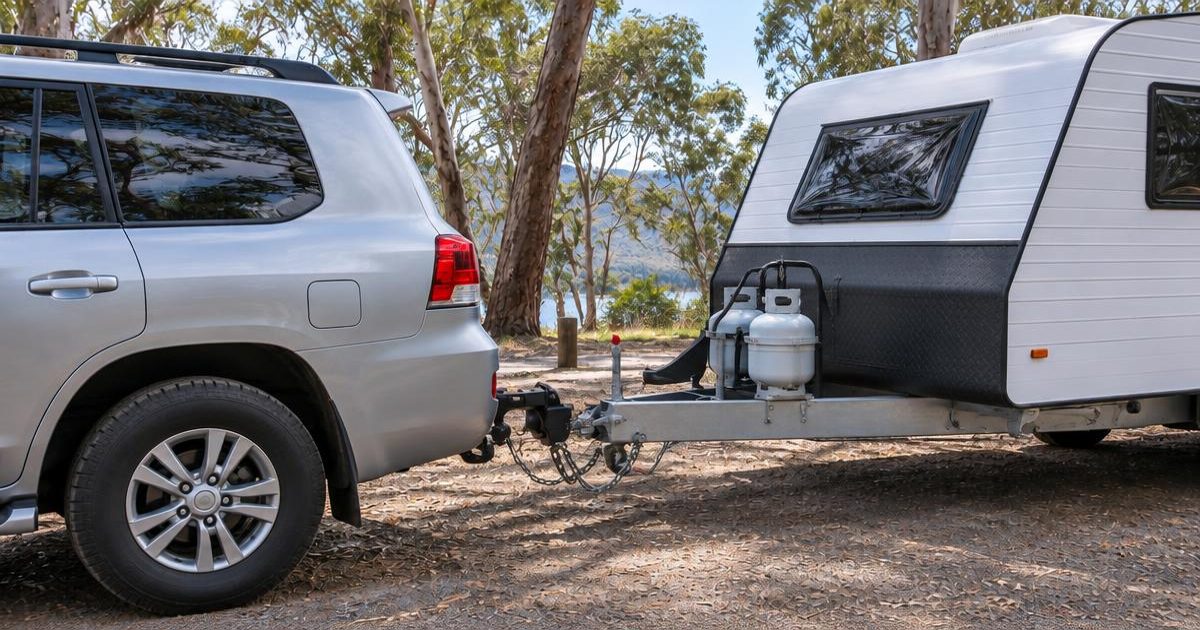
Buying a caravan could prompt a second question: would your current vehicle be suitable to tow it? If both purchases might require finance, considering them together could help you avoid a caravan budget that overlooks the vehicle needed to use it. Compatibility, borrowing capacity and settlement timing may all deserve attention before either contract is signed.
Check compatibility before choosing a price
You could begin with the vehicle manufacturer’s specifications and the caravan’s relevant weight information. Towing capacity alone may not settle suitability, because other limits could also apply. Gross vehicle mass, gross combination mass, axle limits, towball loading and payload may interact in ways that require careful assessment.
Passengers, luggage, accessories, water and equipment could change the loaded combination. A suitable assessment may need actual weights rather than brochure figures alone. You could seek competent towing guidance or weighing services where appropriate, and check the requirements applying in the jurisdictions where you intend to register and use the combination.
Build one combined purchase budget
You could list the caravan, tow vehicle and essential setup costs in a single worksheet before deciding how to finance them. A towbar, brake controller, mirrors or other equipment may be needed depending on the combination. Quotes from appropriately qualified suppliers could help establish costs and whether proposed equipment would be suitable.
Upgrades would not necessarily change the vehicle manufacturer’s ratings or resolve every compatibility issue. Before spending money, you could check what a modification would actually achieve and what approvals or documentation may be required. Treating accessories as an automatic answer to a weight problem could create an expensive mismatch.
Compare one arrangement with separate loans
Some circumstances might involve separate vehicle and caravan loans, while other proposals could use a different structure. You could ask what assets would secure each obligation and whether paying out or selling one would affect the other. A convenient repayment arrangement might still have conditions that matter later.
For separate loans, you could compare combined repayments, total fees and overall borrowing costs rather than assessing each application in isolation. Different terms might leave one loan outstanding long after the other ends. You could also consider whether using cash for one deposit would reduce the buffer available for the second purchase.
Be transparent about both commitments
A lender may assess your existing and proposed debts when considering affordability. If two purchases were progressing together, you could disclose both and keep information up to date. An approval based on one set of commitments might need review if another loan is added before settlement.
You could ask how the application sequence would work and avoid assuming that approval for the vehicle would imply approval for the caravan. Each asset and loan may have different criteria. Any conditional purchase agreements could need to reflect the possibility that only one part of the plan receives suitable funding.
Coordinate timing and ongoing costs
The vehicle might need equipment fitted before collecting the caravan, while insurance and registration arrangements could need to begin at different times. You could map the steps from inspections through settlement to collection. A written timetable may help reveal where finance availability, workshop bookings or delivery changes could interrupt the plan.
After purchase, the combined budget could include fuel, tyres, servicing, insurance, registration and storage as well as both repayments. You could test whether the commitment would remain comfortable if one asset needed repairs or travel plans changed. Planning how you might sell or replace either asset later could also help you understand the practical limits of the proposed finance structure.
Understand ATM and GVM separately
Aggregate trailer mass, or ATM, describes a trailer weight limit; gross vehicle mass, or GVM, relates to the vehicle. These are not interchangeable, and neither alone establishes that a loaded combination is acceptable. Ask a competent towing specialist to explain the relevant ratings and measured weights for your setup. Do that before finance settlement, when changing the purchase plan may still be possible.