
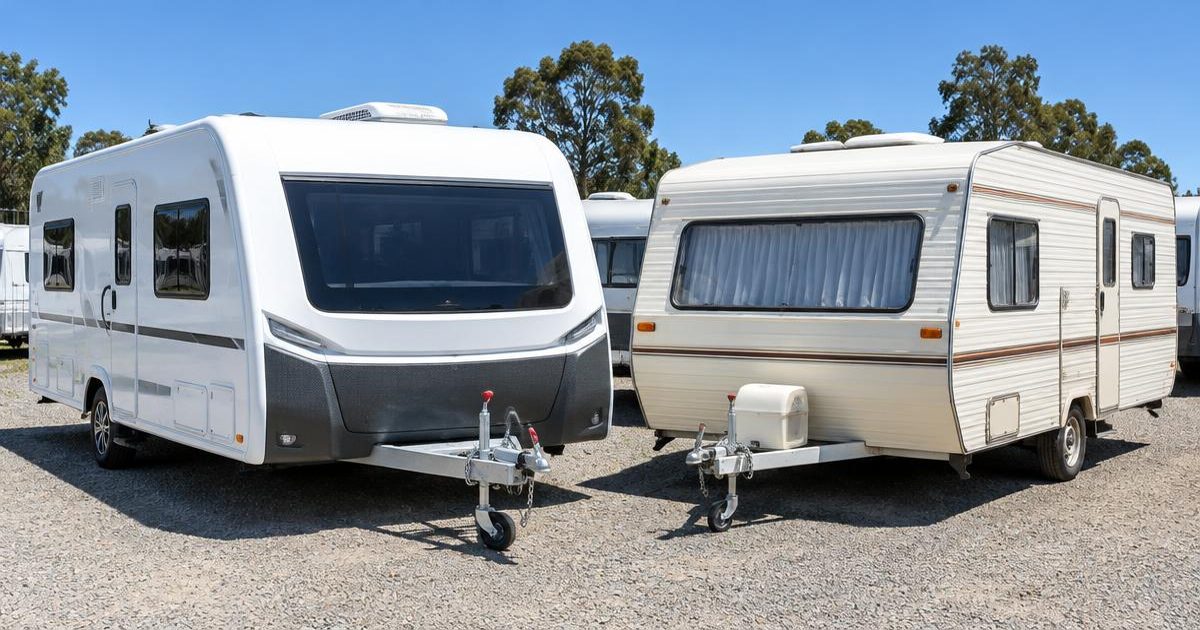
Choosing between a new and used caravan could involve more than finding the lower advertised price. Finance eligibility, condition, delivery timing and the money needed after purchase may all influence the decision. Comparing two specific caravans on the same basis could be more useful than assuming either new or used would always offer better value.
Start with suitability, not the loan
You could first identify the layout, sleeping capacity, storage and travel conditions that matter to you. A cheaper caravan might offer poor value if it needs substantial changes to suit your plans. Equally, a new model with features you rarely use could create a larger commitment without improving the trips you actually expect to take.
Towing compatibility could narrow the shortlist before finance becomes relevant. You could check the caravan’s specifications against the tow vehicle’s limits and intended loaded configuration. If an upgrade to the vehicle might be needed, that potential cost could change the comparison between an apparently affordable caravan and a more suitable alternative.
How finance eligibility may differ
A lender may assess a new and used caravan differently because of age, value, condition or expected age at the end of the loan. A used model could remain eligible for secured finance, but you would need to check the specific criteria. A lower purchase price would not by itself establish eligibility.
For a new caravan, the lender may need an invoice showing the exact model, options and delivery arrangements. For a used purchase, identifying details and seller information could be especially important. You could request quotes based on the actual caravan rather than assuming a general advertised offer would apply unchanged.
Compare borrowing on consistent assumptions
If one quote uses a longer term or a larger deposit, its repayment may look more attractive without representing a cheaper loan. You could compare the amount financed, term, interest structure, fees and any final balloon side by side. The total amount payable could help show the effect of those differences.
You could also compare the cash left over after settlement. A used caravan may call for early maintenance, while a new purchase might involve accessories or delivery costs outside the advertised price. Keeping those amounts visible could prevent a smaller initial loan from disguising a larger immediate cash requirement.
- Use the same repayment frequency when comparing quotes.
- Include optional extras only if you genuinely intend to buy them.
- Ask how early sale or payout could affect the balance.
Assess condition and contractual protections
A used caravan could warrant close inspection for water ingress, structural damage, appliance condition and previous repairs. An independent specialist may help identify issues that would be difficult to assess during a brief viewing. Records of servicing and modifications could support the assessment without replacing a physical inspection.
A new caravan could still require careful checking at handover. You could review specifications, warranty terms and the process for reporting defects. Any consumer protections, warranty benefits or remedies may depend on the seller, transaction and applicable law, so you could avoid treating the word new as a substitute for reading the contract.
Consider timing and your exit options
A new build could involve delivery conditions, staged payments or changes to specifications, depending on the contract. A used caravan might be available sooner but could need work before travel. You could align finance availability, insurance and collection with the actual timetable rather than an assumed departure date.
Future resale value could be uncertain for either option. Instead of relying on a predicted sale price, you could ask whether the loan balance would remain manageable if you needed to sell earlier than planned. A smaller buffer between sale proceeds and the payout amount could make an unexpected change of plans harder to manage.
Keep records for the comparison
Save the quote, inspection findings and list of included equipment for each caravan you are considering. A written comparison helps distinguish genuine differences from a persuasive sales presentation. Ask how unresolved defects, delivery changes or accessory substitutions will be handled. Revisit the finance calculation when the final purchase price changes rather than assuming the original repayment estimate will still apply.