
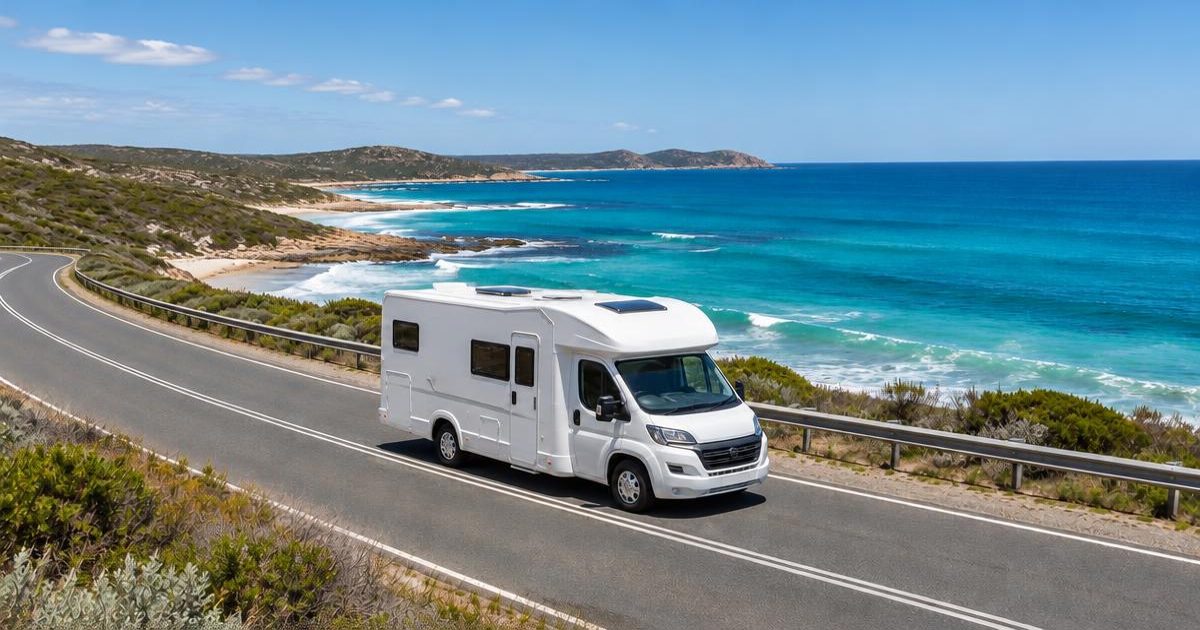
A motorhome or campervan could combine transport and accommodation in one purchase, but that combination may complicate the budget and inspection process. You could be financing both a road vehicle and a living space. Looking at each separately may help you understand the commitment before a layout or travel dream drives the decision.
Clarify the vehicle and intended use
A purpose-built motorhome, a factory campervan and a converted van may present different finance questions. You could record the make, model, year, registration details and conversion information before requesting a quote. How the vehicle is described in an advertisement might not match the classification or documents a lender would use.
Your intended use could also matter. Private holidays, extended travel and business or rental activity may involve different finance and insurance considerations. You could describe your plans accurately and ask whether the proposed loan and cover would permit them. An arrangement intended for personal use might not accommodate every later change.
Assess the driving and living components
A mechanical inspection could help assess the engine, transmission, brakes, tyres and service history. A separate habitation inspection may be useful for water systems, appliances, seals and living-area components. One assessment might not cover the other, so you could ask explicitly what each inspection would include and exclude.
Converted vehicles could warrant particular attention to the quality and documentation of modifications. You could check relevant state or territory registration and compliance requirements and seek qualified guidance where needed. The existence of a bed and kitchenette would not necessarily establish that a conversion meets all applicable requirements.
Understand the finance proposal
A lender may consider the vehicle’s age, kilometres, value, condition and conversion history alongside your financial position. Some assets could fall outside a provider’s criteria even if the purchase appears affordable. Checking eligibility early could help you avoid spending money on inspections for a vehicle that the intended loan would not support.
You could compare the loan amount, deposit, term, fees and final payment on consistent assumptions. If accessories or conversion work would happen after purchase, you could ask whether those costs would be included or funded separately. Borrowing for a base van might not automatically cover a later fit-out.
Build a realistic running budget
Fuel, registration, insurance, servicing and tyres could sit alongside campsite fees and living costs. Vehicle size and configuration may influence storage options, access and maintenance arrangements. You could obtain quotes for the actual vehicle and intended usage rather than applying figures from a smaller or materially different model.
If the vehicle would be both transport and accommodation, a breakdown could disrupt more than your itinerary. You could allow for emergency accommodation, alternative transport and the time needed to obtain parts or specialist repairs. These would be planning allowances, not predictions that a particular vehicle will fail.
- Consider whether roadside assistance would cover the vehicle’s dimensions and weight.
- Check how contents and fitted equipment would be insured.
- Allow for maintenance while travelling away from your usual repairer.
Coordinate purchase and collection
Before settlement, you could verify identifying details, ownership, any recorded security interests and the seller’s payment instructions. Registration transfer, insurance commencement and loan settlement may need to be coordinated. You could confirm each step in writing rather than assume collection would automatically follow approval.
You might also ask whether the repayment commitment would remain comfortable if travel plans changed or the vehicle could not be used for a period. A longer loan could extend beyond the time you expect to keep it. Comparing possible payout balances with uncertain resale proceeds could make that risk easier to consider.
Check access and loaded weights
For a motorhome, the living fit-out contributes to the vehicle’s loaded weight. Water, luggage, passengers and extra batteries can reduce the remaining payload. Check the vehicle’s limits, relevant licence requirements and where you plan to drive or park. A finance quote cannot establish whether a vehicle is suitable for those uses; obtain appropriate technical guidance before committing to the purchase.