
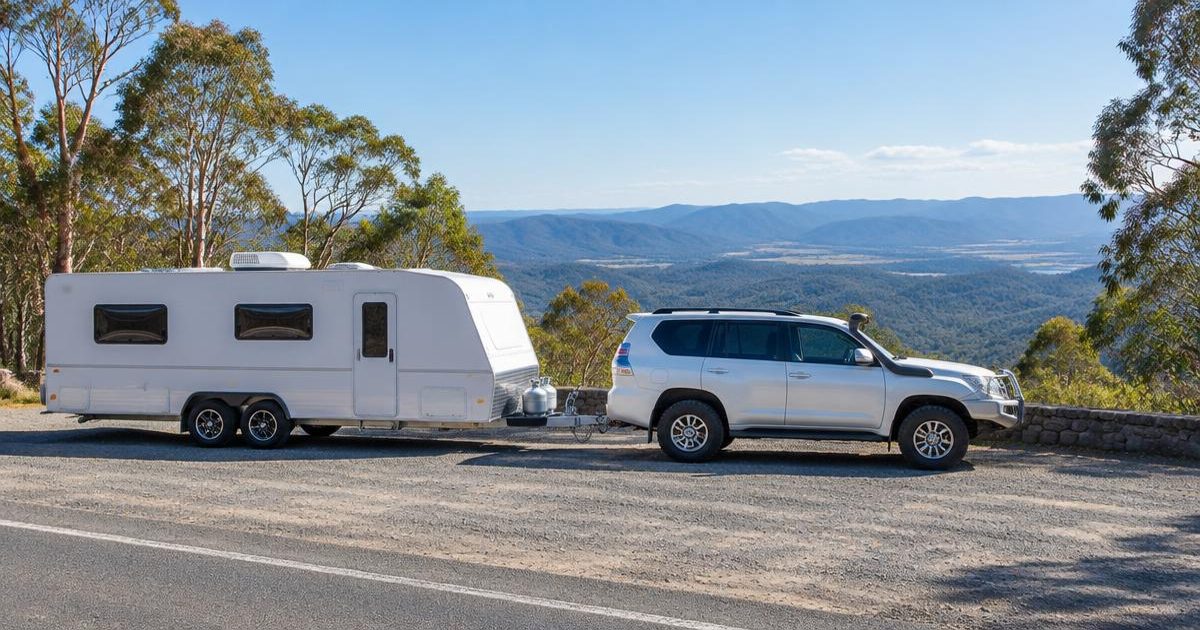
A caravan loan could help spread the purchase price over time, but the repayment alone may not show the full commitment. Before applying, you could compare how the finance would work, what the caravan might cost to own and how repayments could fit around your everyday spending. This guide could help you organise those questions without recommending a particular loan.
How caravan finance could be structured
A secured loan may use the caravan as security. If repayments were not maintained, the lender could have rights over that asset, subject to the contract and applicable law. An unsecured personal loan might not take security over the caravan, although eligibility, pricing and borrowing limits could differ. Neither structure would automatically be the better option for every buyer.
You could also encounter fixed or variable interest arrangements. A fixed rate may make scheduled repayments more predictable, while a variable rate could change under the contract. Before choosing either, you could ask how extra repayments, early payout and changes to payment frequency would be treated. The product name alone may not answer those questions.
What an application may involve
A lender may consider your income, existing debts, living expenses and credit history when assessing an application. The caravan itself could also matter, particularly if it would secure the loan. Its age, condition, ownership documents and proposed purchase price may affect whether the transaction fits a lender’s criteria.
Preparing accurate documents could reduce avoidable back-and-forth. You might gather payslips or other income evidence, recent statements, details of current commitments and an itemised seller quote. If income varies, you could ask what evidence would be useful rather than assuming one strong month would represent your usual capacity.
Compare the complete borrowing cost
Two offers with similar repayments could produce different overall costs. A longer term might lower each payment while extending the period over which interest could accrue. An establishment fee, ongoing account charge or final balloon could also change the comparison. You could request a repayment schedule and total amount payable for the same borrowing amount and term.
A comparison rate, where provided, could help compare interest and certain fees on a stated example. It may not capture every possible charge or reflect your exact borrowing arrangement. You could read its assumptions and exclusions alongside the personalised quote, rather than treating a single displayed number as a complete assessment.
- Check whether fees would be paid upfront or added to the balance.
- Ask whether early repayment could trigger a charge.
- Confirm whether any larger final payment would remain.
Allow for ownership beyond the loan
Your budget could include insurance, registration, storage, servicing and repairs as well as repayments. Accessories, delivery and towing-related upgrades might also change the amount needed before the first trip. An insurance quote for the actual caravan could be more useful than an estimate based on a different model.
You could test affordability against a quiet travel year as well as an ambitious one. Loan payments may continue even when the caravan stays parked. Keeping a separate allowance for maintenance and unexpected expenses could help avoid relying on additional borrowing if something needs attention.
Questions before committing
Before signing, you could match the loan quote to the purchase contract and confirm the exact asset, price, deposit and payment timing. If approval or inspection remains outstanding, you could seek an appropriate contract condition before paying a deposit. Any refund rights may depend on the agreement and applicable rules, so written confirmation could matter.
Keep the repayment schedule visible
A repayment schedule is useful because it connects the borrowing decision to real dates. Check the first payment, the number of instalments and any final amount. Ask which charges are included in the estimate and which would be payable separately. Keep a copy alongside the purchase quote so that changes to price, accessories or delivery can be checked before you sign.