
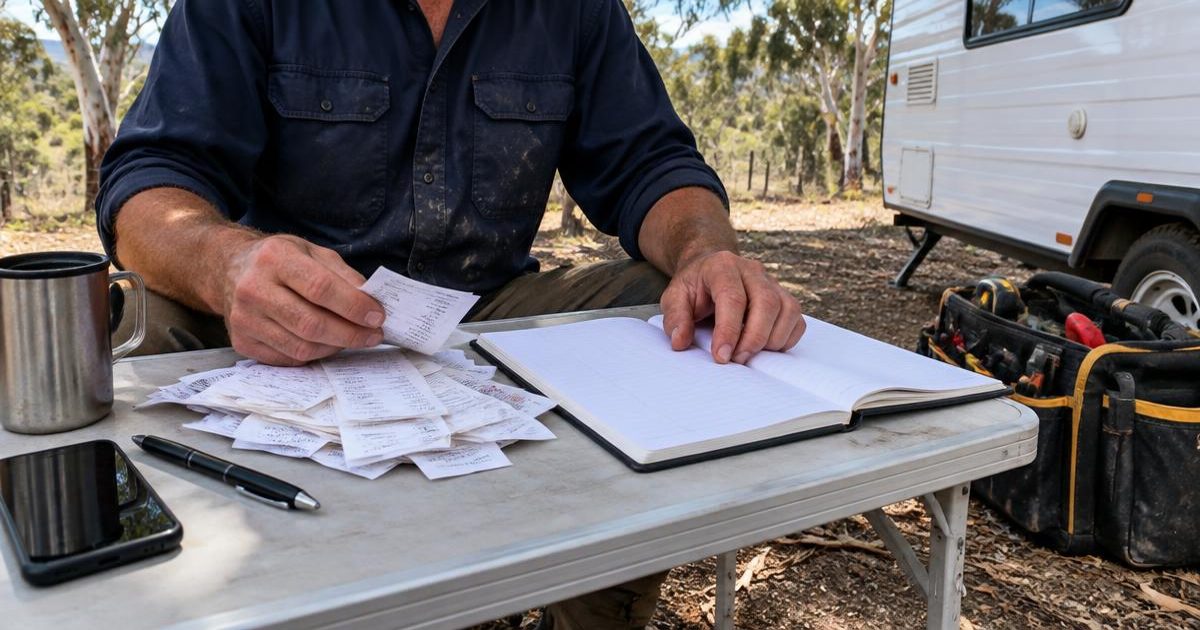
Working for yourself can make your income harder to summarise than a regular salary. It does not mean you should approach a caravan purchase without a clear budget or evidence of earnings. The practical task is to explain how money moves through your business, what is available for personal spending and whether repayments remain manageable in quieter periods. Documentation and eligibility requirements vary between lenders.
Separate personal travel from business purpose
Begin with how you actually intend to use the caravan. A caravan bought mainly for holidays is not automatically a business asset simply because you have an ABN. Describe the purpose honestly and ask which type of finance is appropriate.
If there will be genuine business use, discuss the proposed arrangement with your accountant before relying on tax treatment. Ownership, finance structure and the pattern of use can matter. Do not assume that calling a caravan a mobile office makes all repayments deductible or removes consumer lending requirements.
Show how your income is earned
Your documents should help a reviewer connect business activity to sustainable personal income. Depending on the lender and your business structure, requested evidence may include personal and business tax returns, notices of assessment, financial statements, bank statements or BAS records.
A sole trader, company director and partner may receive money differently. Explain wages, drawings, distributions and any retained business earnings rather than treating all business turnover as available income. If your most recent lodged figures differ from current trading, ask what additional evidence the lender can consider.
- Check which financial periods the lender requires.
- Explain significant one-off receipts or expenses.
- Keep personal and business obligations clearly identified.
Budget for the quiet months
Base affordability on a realistic income pattern, not your best trading month. Consider seasonal demand, customer payment delays, unpaid leave and periods when you cannot work. A repayment that fits comfortably during a busy quarter may become difficult when invoices are outstanding.
Keep tax provisions, business working capital and personal emergency savings separate in your planning. Money sitting in a business account may already be needed for GST, suppliers or wages. Test whether the household could still meet repayments if business income fell temporarily or a major customer paid late.
Understand alternative documentation carefully
A full-document, or full-doc, application commonly uses formal income records such as tax returns and financial statements. Some lenders may offer reduced-documentation, or low-doc, pathways with alternative evidence. Low-doc does not mean no evidence, automatic approval or the same overall cost. Availability depends on the lender, loan purpose, asset and your circumstances.
Ask exactly which documents are accepted, how income is assessed and whether the option has different pricing, deposit or security requirements. Do not sign an income declaration that you cannot reasonably support. If records are incomplete, bringing your accounts up to date may be more useful than rushing into an unsuitable product.
Keep the caravan purchase realistic
Choose a borrowing amount that leaves room for caravan ownership as well as ordinary household costs. Insurance, storage, servicing and towing requirements do not disappear during slow trading periods. Compare the effect of a larger deposit with the cost of reducing your available cash buffer.
For a used caravan, confirm its age, condition and seller details early. These can affect whether a particular finance option is available. Get any finance condition in the purchase agreement documented, and avoid assuming that an indicative borrowing discussion is final approval for your chosen caravan.
Prepare a concise application explanation
A short factual summary can make your documents easier to follow. Describe what the business does, how long it has operated, your role and any recent changes. If income has fluctuated, explain why and point to supporting records rather than offering an unsupported forecast.
Before submitting, check the proposed term, fees, total repayments and any final payment. Consider how the commitment fits your household rather than focusing only on what a lender might approve. This is general information; accounting and tax questions need advice suited to your business.