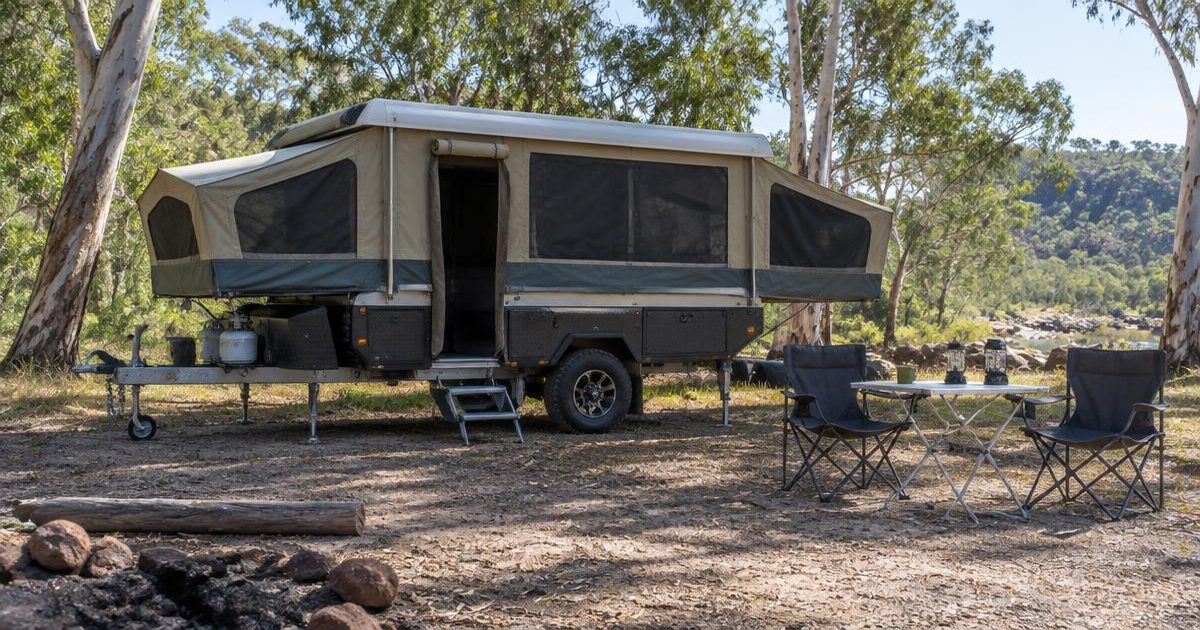
A camper trailer could provide a different balance of camping comfort, storage and towing requirements from a full caravan. Financing one may still involve a significant ongoing commitment, especially once equipment and setup costs are included. Before applying, you could assess the trailer as both a purchase and a practical part of the trips you want to take.
Define the setup you actually need
A soft-floor, hard-floor or hybrid-style trailer may suit different camping routines. You could consider setup effort, weather protection, sleeping arrangements and how much packing would be required each trip. A demonstration of the complete setup and pack-down process could reveal whether a design fits your mobility, available time and travel companions.
The advertised price might not cover every item shown in promotional images. You could request an itemised quote for the actual trailer, including any kitchen equipment, battery system, awning or spare wheel you intend to buy. Separating essential equipment from optional upgrades could make the borrowing decision clearer.
Check what the lender may finance
A camper trailer may qualify for secured asset finance with some providers, while other situations could involve a personal loan. Eligibility could depend on the trailer’s value, age, construction, identifying details and seller. You could ask about the specific unit rather than assuming all camping equipment would be treated like a registered caravan.
Custom-built, heavily modified or older trailers may require additional information. If a builder requests deposits or progress payments, you could check whether the proposed finance would support that payment schedule. Approval for a completed asset might not automatically provide money at each stage of a build.
Inspect the trailer as camping equipment
An inspection could cover more than wheels and bodywork. Canvas, seals, zips, poles, hinges and lifting mechanisms may affect usability and repair costs. You could ask to see the trailer opened fully, with equipment demonstrated where safe, rather than inspecting only the compact travel configuration.
For a used trailer, you could look for evidence of moisture, mould, corrosion, damage and previous repairs. An appropriately qualified person could assess relevant electrical, gas or mechanical components. A loan assessment would not necessarily identify faults, so finance approval could remain separate from deciding whether the trailer is worth buying.
Budget for towing and storage
A relatively compact trailer could still require careful checks against the tow vehicle’s ratings and loaded weight limits. Water, food, batteries and camping equipment could change the travelling load. You could obtain relevant specifications and seek competent towing guidance before assuming your current vehicle and accessories would be suitable.
At home, storage space could affect ongoing costs and convenience. You could measure access, consider security and obtain an insurance quote for the intended storage arrangement. If off-site storage were needed, that regular cost could belong in the same budget as repayments rather than being treated as an occasional travel expense.
Match repayments to expected use
You could estimate how often the trailer would realistically be used across a year, allowing for weather, work and family commitments. Loan payments may continue between trips. Comparing ownership with hiring or delaying the purchase could help you judge whether the commitment fits your circumstances, without assuming any option would always be cheaper.
When comparing loans, you could review fees, the term, extra repayment rules and the total payable. A longer term might make the trailer feel easier to afford each month while increasing the time you remain committed. Retaining cash for maintenance and essential camping supplies could help keep the first trip from depending on further credit.
Think about a change of camping plans
Camping preferences can change after a season of use. Before taking on a long commitment, consider what would happen if setup became difficult, family needs changed or you wanted a different trailer. Ask about early payout and selling an asset that secures a loan. A lighter or simpler setup may suit your plans without every available accessory being included in the borrowing.