
A boat budget needs to cover more than the vessel and a loan repayment. Storage, servicing, insurance, safety equipment and the way you plan to use the boat can materially affect affordability. Whether you are considering a small trailer boat or a larger vessel, start with a realistic ownership plan. Finance requirements depend on the lender, the asset and your financial position, so an advertised example is only a starting point.
Define the whole purchase
Confirm exactly what is included in the asking price. The hull, engine, trailer, electronics and safety equipment may be sold as a package, but their condition and identifying details still matter individually. Ask for a written breakdown and identify any upgrades needed before use.
Allow for inspections, transfer or registration costs where applicable, delivery and immediate servicing. A boat that appears affordable may require a suitable tow vehicle or a different storage arrangement. Establish those practical limits before spending time comparing finance on a vessel you cannot conveniently transport or keep.
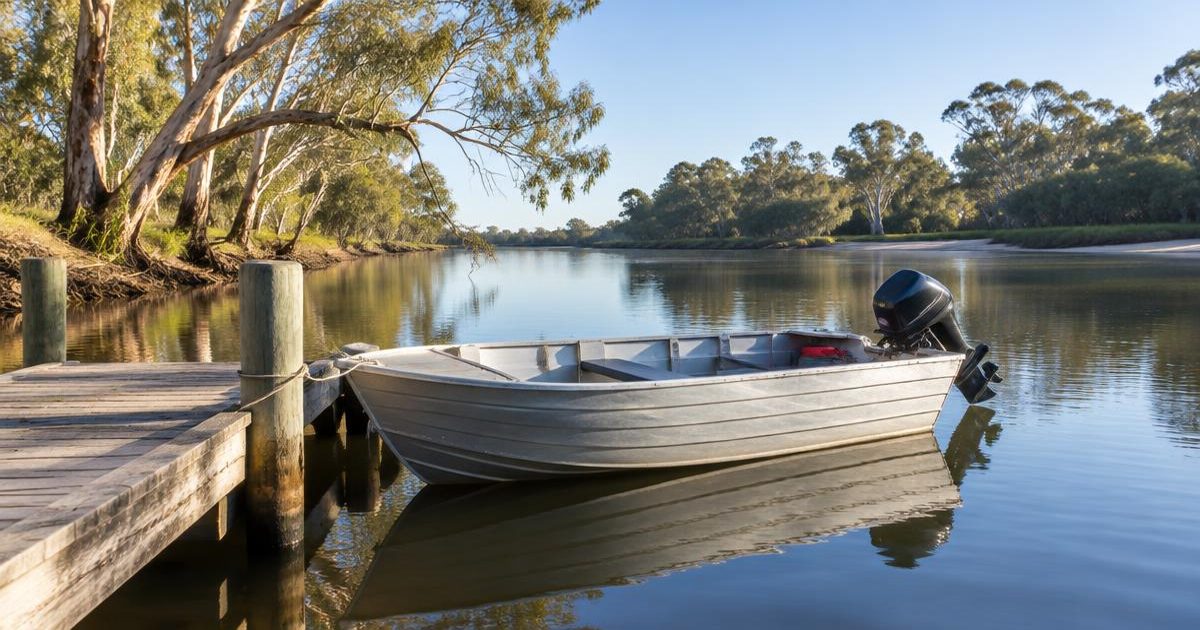
Jet skis and tinnies may have different ownership and storage requirements from larger boats. For a jet ski, check operating rules, rider equipment and the proposed trailer. For a tinny, confirm the hull, outboard and trailer package. Give the lender those exact details rather than relying on a generic description such as boat finance.
Understand secured and unsecured options
With secured finance, the lender takes security over an eligible asset and may have rights to repossess it if obligations are not met. Eligibility can depend on the boat’s age, type, condition and seller. Ask which components of a package the proposed finance covers.
An unsecured personal loan may be another option in some circumstances, but it is not automatically cheaper or easier to obtain. Compare the full terms, available amount, fees and repayment requirements. Neither structure removes your responsibility to meet repayments if the boat needs repairs or cannot be used.
Compare quotes on the same basis
Use the same purchase price, deposit and term when comparing loan quotes. Review the interest rate, any comparison rate and its assumptions, fees and total amount repayable. Ask whether the rate is fixed or variable and whether extra repayments are permitted.
A balloon or other final payment can make regular repayments look smaller while leaving debt to deal with later. Include it in the total and plan how it would be paid. Do not assume the boat’s eventual sale price will match the payout or that refinancing will be available.
Check a used boat before committing
Consider an independent marine inspection suited to the vessel and a mechanical assessment of the engine. A sea trial may help assess operation, but it is not a substitute for appropriate technical checks. Understand the scope and limitations of any inspection you arrange.
Confirm seller identity and ownership evidence, and consider appropriate PPSR searches using the correct identifiers for the relevant components. Registration alone should not be treated as a guarantee of ownership or condition. For a private sale, ask how the lender verifies the purchase and pays the seller.
- Match identification details to the boat and paperwork.
- Review service records and known defects.
- Document deposit terms and any finance condition.
Budget for ownership between trips
Insurance, registration, mooring or storage and scheduled maintenance can continue even when the boat stays out of the water. Add fuel, launching fees and consumables for the trips you expect to take. Saltwater use and storage conditions may affect the servicing required.
Confirm local licensing, registration and safety equipment requirements for your intended waters. Check towing limits and trailer condition if relevant. Include a repair reserve rather than relying on every month being trouble-free, and ask the insurer about navigation limits, storage conditions and intended users.
Coordinate approval and handover
Before paying a non-refundable deposit, understand whether finance has actually been approved and what conditions remain. The lender may need final asset documents, a purchase invoice or evidence of insurance before settlement. Agree who is responsible for each step and avoid relying on verbal assurances.
At handover, confirm the included equipment, keys, documents and transfer process. Keep the loan agreement, inspection reports and seller records together. A repayment calculator can help you revisit the budget if the price changes, but only the final loan documents establish the repayment obligations.